

Papal Audience with Papa Leone XIV – How to Attend in Vatican City
Attending a Papal Audience is one of the most meaningful and memorable experiences for visitors to Vatican City. Held every Wednesday morning, the audience allows pilgrims and tourists to see Papa Leone XIV in person as he offers prayers, teachings, and his apostolic blessing in St. Peter’s Square or the Paul VI Audience Hall (Sala Nervi), depending on the season and weather.
Admission is free, but tickets are required and must be requested in advance. To skip the long lines and ensure a good view, many visitors opt for a guided tour with priority access or reserved seating.
The event usually begins around 9:00 AM, but it’s recommended to arrive by 7:00 AM to pass security checks and find a good spot, especially during religious holidays and peak tourist season.

What to See in St. Peter’s Basilica: Top Highlights Inside the Vatican’s Iconic Church
Michelangelo’s Pietà
Located just to the right as you enter, Michelangelo’s Pietà is one of the most famous sculptures in the world. Created when the artist was only 24 years old, this breathtaking marble masterpiece shows the Virgin Mary cradling the body of Christ after the Crucifixion.
St. Peter’s Baldachin by Bernini
In the center of the basilica, under the massive dome, stands Bernini’s bronze baldachin (canopy), which marks the high altar and the tomb of St. Peter. It’s a dramatic and ornate structure that stands nearly 30 meters tall and symbolizes the spiritual heart of the Church.
The Dome (Cupola)
Designed by Michelangelo, the dome of St. Peter’s Basilica is one of the most iconic features of the Roman skyline. Visitors can climb to the top for a small fee to enjoy panoramic views of Vatican City and Rome. The interior of the dome is richly decorated with mosaics and Latin inscriptions.
The Tomb of St. Peter and Vatican Grottoes
Beneath the basilica lies the Vatican Grottoes, where many popes are buried. The site is believed to be the final resting place of St. Peter himself. Visiting the grottoes is a powerful and moving experience for many.
Statue of St. Peter
Near the main altar, you’ll find a bronze statue of St. Peter with one foot worn smooth from centuries of pilgrims touching or kissing it. It’s a symbol of devotion and one of the most photographed spots in the basilica.
The Nave and Ceiling
As you walk through the basilica, take time to admire the massive nave, intricately decorated ceilings, and stunning marble floors. Every inch of the interior is filled with symbolism and artistic detail.
Chapel of the Blessed Sacrament
This beautiful and quiet chapel is reserved for prayer and contemplation. It’s one of the few places in the basilica where silence is strictly observed, and it holds the tabernacle with the Holy Eucharist.
Tips for Visiting
- Entry is free, but dress modestly (shoulders and knees covered).
- Early morning or late afternoon visits are less crowded.
- Guided tours are highly recommended for deeper insight.
St. Peter’s Basilica Combo Ticket
Combined tickets offer access to several landmarks in one purchase. Visit St. Peter’s Basilica and more with one convenient combo ticket. Skip the lines and save with bundled access to Vatican City’s top attractions
Architecture
The architecture of St. Peter’s Basilica is one of the most remarkable achievements in Western art and a symbol of Renaissance and Baroque grandeur. Construction began in 1506 under Pope Julius II and spanned over a century, involving some of the greatest architects and artists of the time, including Bramante, Raphael, Michelangelo, and Bernini.
The basilica’s design reflects a harmonious blend of classical symmetry and monumental scale. Michelangelo’s iconic dome, inspired by the Pantheon and Brunelleschi’s dome in Florence, dominates the skyline of Rome and remains one of the largest in the world. The massive façade, completed by Carlo Maderno, features towering columns and statues of Christ and the apostles, creating a powerful visual impression upon arrival.
Inside, the vast nave and central dome create an awe-inspiring space filled with light, intricate mosaics, and richly decorated chapels. Bernini’s architectural genius is evident in the layout of St. Peter’s Square as well, with its welcoming colonnades that embrace visitors as they enter the spiritual heart of Catholicism.
St. Peter’s Basilica is not only a place of worship but a timeless example of how architecture can express faith, power, and artistic vision on an extraordinary scale.
History of St. Peter’s Basilica
The basilica replaced an earlier church from the 4th century, known as Old St. Peter’s.
Through its centuries of construction, it saw contributions from many popes and architects, with major evolutions in plan and style.
Famous Artists Involved
Also mosaicists like Fabio Cristofari and his son Pietro Paolo Cristofari contributed to the internal decorations including dome mosaics and altarpieces.
Religious Significance
It is traditionally considered built over the tomb of St. Peter, the first Pope, making it a major pilgrimage destination.
The basilica is also the setting for many papal liturgies, canonizations, and major festivities in the liturgical calendar.
St. Peter’s Square
It features colonnades that symbolically “embrace” visitors, forming an open arms gesture from the Church.
The square also hosts an ancient obelisk and two fountains, which are focal points of both the visual and liturgical space.
How to Visit St. Peter’s Basilica
Tickets and Tours
Climbing the Dome
The Vatican Necropolis
Visits are limited; booking is mandatory and groups are guided.
Access is not allowed for children under 10.
The tour lasts about an hour.
Interesting Facts & Curiosities
The façade was designed by Carlo Maderno, and the dome, although largely Michelangelo’s design, was completed after his death.
There are 140 statues of saints atop the colonnades surrounding St. Peter’s Square.
Nearby Attractions
Location
St. Peter’s Square, 00120 Vatican City, Rome, Italy
St. Peter’s Basilica is located in Vatican City, just outside the historic center of Rome. It’s easily accessible by public transportation or on foot from many nearby attractions.
By Metro
The easiest way to reach St. Peter’s Basilica is by taking Line A (the red line) of the Rome Metro to Ottaviano – San Pietro or Cipro station. From either stop, it’s about a 10-minute walk to the basilica.
By Bus
Several buses stop near the Vatican. Useful lines include 64 (from Termini Station), 40, and 81. Be cautious of pickpockets on crowded buses.
By Train
The closest train station is Roma San Pietro, about a 10-minute walk from St. Peter’s Square.
By Foot
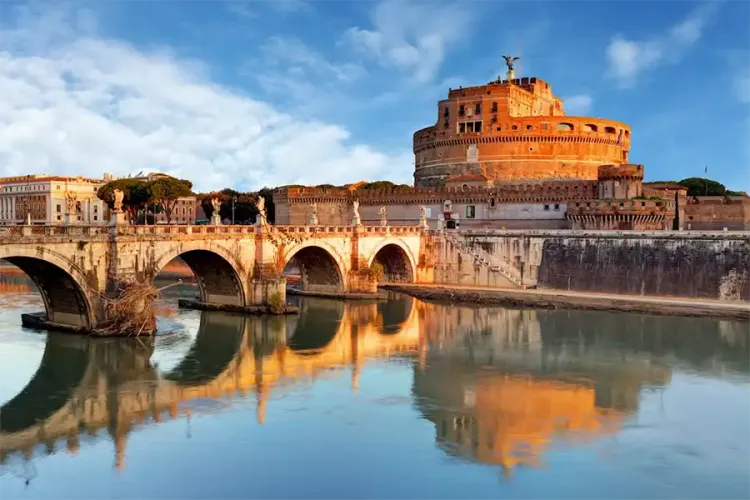
If you’re already in the historic center of Rome, you can enjoy a scenic walk across the Ponte Sant’Angelo or Ponte Vittorio Emanuele II, leading directly to St. Peter’s Square.
By Taxi or Rideshare
Taxis and rideshare services like Uber or Free Now can drop you off near Piazza San Pietro, but note that traffic can be heavy during peak hours or papal events.
Official Ticket Information

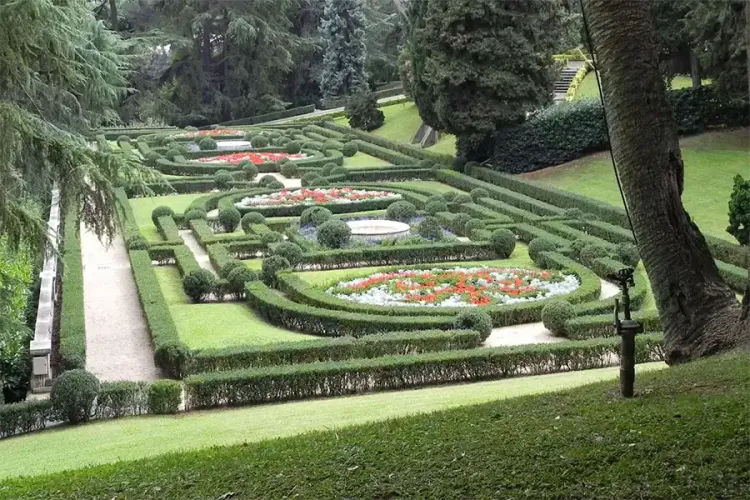
After exploring the majestic St. Peter’s Basilica, you’ll find yourself in one of the most culturally rich areas of Rome. The surroundings of Vatican City offer a variety of must-see attractions that are all within walking distance. Here’s what to visit near St. Peter’s Basilica to make the most of your time in the Eternal City:


Rome
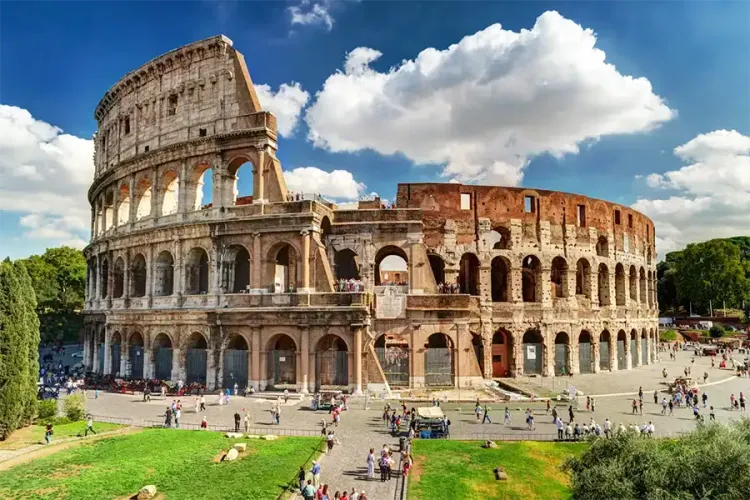
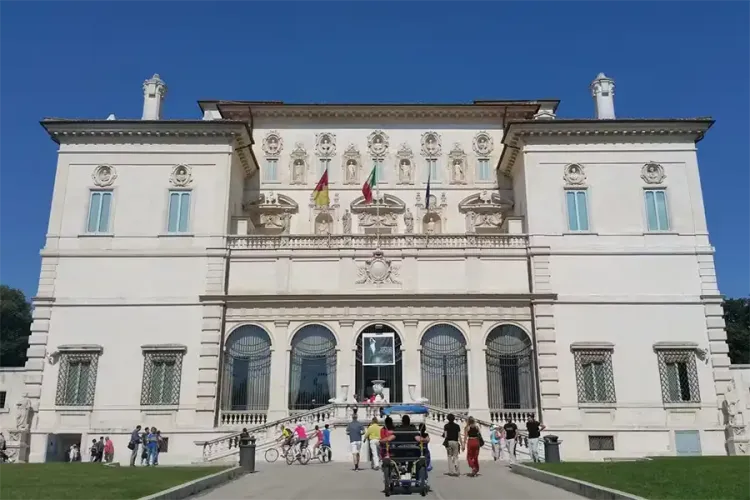
Rome is a city where history, art, and culture come to life at every corner. Whether you’re a first-time visitor or returning for another adventure, the Italian capital offers countless unforgettable experiences. Here are the top tourist attractions in Rome that you simply can’t miss.


Official Ticket Information